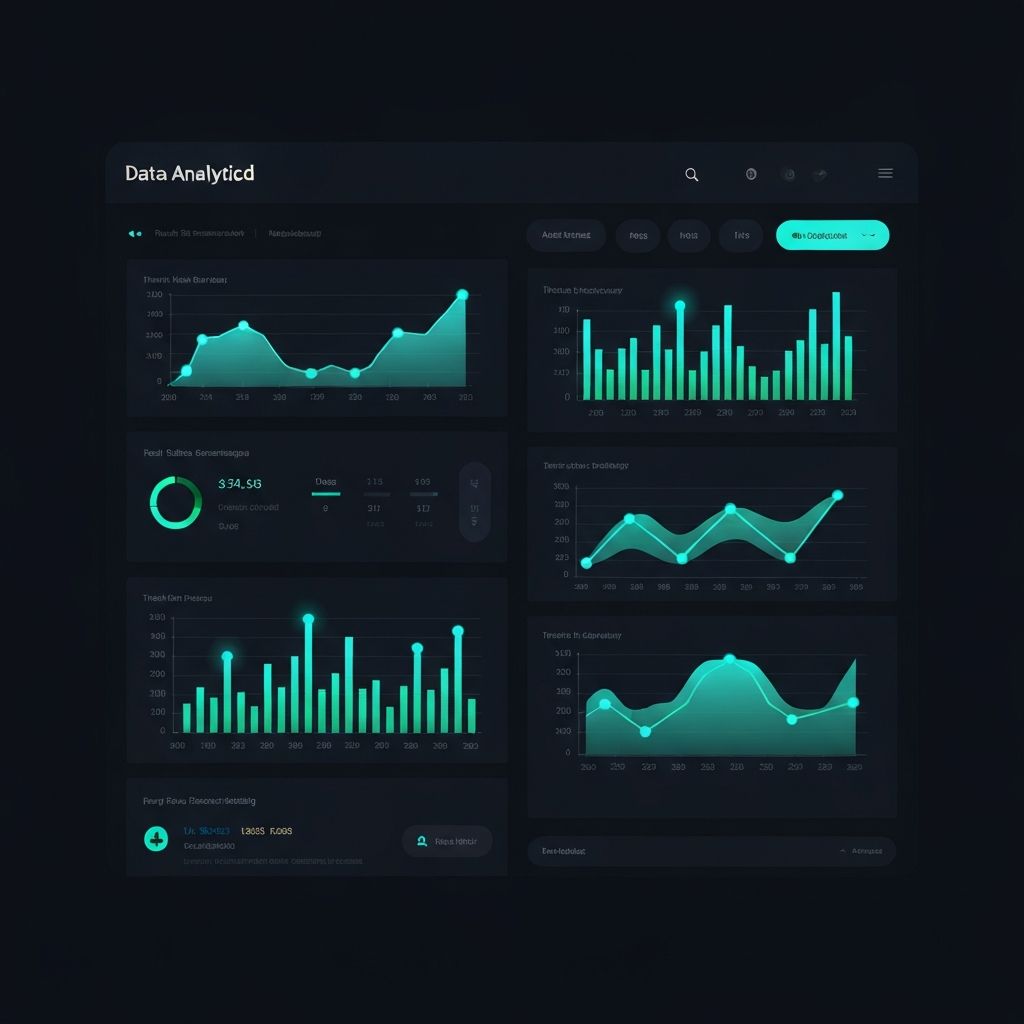
Building real-time dashboards requires a careful balance of performance, reliability, and user experience. Modern web technologies like WebSockets, Server-Sent Events, and efficient state management make it possible to create dashboards that update instantly while remaining responsive.
WebSocket Architecture for Real-Time Data
WebSockets provide full-duplex communication channels over a single TCP connection. This makes them ideal for dashboards that need to receive frequent updates without the overhead of repeated HTTP requests.
Key considerations when implementing WebSocket-based dashboards include connection management, reconnection strategies, and message queuing for handling temporary disconnections gracefully.
Data Visualization Patterns
Effective real-time dashboards use visualization techniques that can handle streaming data without overwhelming users. Rolling windows, progressive disclosure, and smart aggregation help maintain clarity even with high-frequency updates.
- Rolling charts: Display the last N data points, smoothly transitioning as new data arrives
- Heatmaps: Show density and patterns over time windows
- Sparklines: Compact trend indicators for at-a-glance insights
Performance Optimization
High-frequency updates can quickly degrade performance if not handled carefully. Techniques like requestAnimationFrame batching, virtual scrolling for large datasets, and efficient DOM updates are essential.
"The fastest code is code that doesn't run. Batch updates and minimize DOM operations for smooth real-time experiences."
Conclusion
Real-time dashboards are becoming increasingly important in modern applications. By combining robust WebSocket architecture with efficient visualization patterns and performance optimizations, developers can create dashboards that provide instant insights without sacrificing user experience.